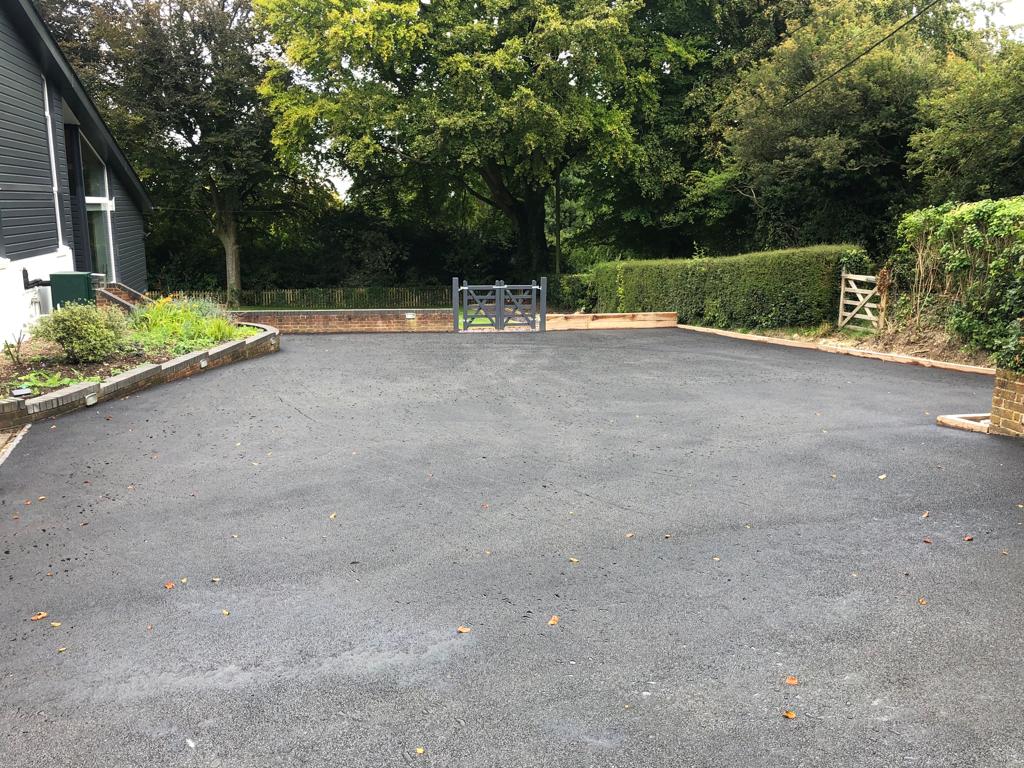
Roads and access surfaces are designed to withstand regular vehicle traffic and environmental exposure, but like any infrastructure, they gradually experience wear over time. Identifying the early warning signs of surface failure is important for maintaining safety and preventing more serious structural damage.
When problems are detected early, they can often be addressed before the road structure deteriorates significantly. For property owners and organisations responsible for road surfaces in Tailem Bend, QLD, understanding these early indicators can help maintain reliable access routes and extend the life of asphalt and bitumen pavements.
Small Cracks Appearing on the Surface
One of the earliest signs of potential road surface failure is the appearance of small cracks. These cracks may initially appear minor, but they can indicate that the pavement is beginning to experience stress.
Cracks often form due to repeated traffic loads, natural ground movement, or temperature fluctuations. While small cracks may not immediately affect usability, they can allow water to enter the pavement structure if left unattended.
Over time, moisture infiltration can weaken the base layers and accelerate surface deterioration, making early attention important.
Surface Raveling or Loss of Aggregate
Raveling occurs when the surface material begins to break down and small pieces of aggregate become loose. This often results in a rougher texture and visible loss of surface material.
When the protective surface layer begins to wear away, the underlying structure becomes more exposed to environmental factors. This can increase the rate of deterioration and reduce the pavement’s overall durability.
In road surfaces around Tailem Bend, QLD, regular vehicle movement and environmental exposure can gradually contribute to this type of surface wear.
Minor Depressions and Uneven Areas
Another early indicator of pavement issues is the development of small depressions or uneven sections in the road surface. These areas may initially appear subtle but can signal that the base layers beneath the asphalt are beginning to shift or settle.
Uneven surfaces can create areas where water collects, which further increases the risk of structural damage. If these issues are not addressed, they may eventually develop into deeper ruts or larger structural problems.
Maintaining a consistent and level surface is important for both vehicle safety and pavement longevity.
Water Pooling After Rainfall
Standing water on a road surface after rainfall can also indicate underlying problems. Properly constructed pavements are designed to encourage water to drain away from the surface.
If water regularly pools in certain areas, it may suggest that the surface has developed low points or that drainage patterns have been disrupted. Over time, water infiltration can weaken the pavement structure and lead to more significant damage.
For road surfaces in Tailem Bend, QLD, effective drainage plays a key role in maintaining long-term durability.
Surface Edge Deterioration
The edges of a road surface are often more vulnerable to damage than the centre. Vehicles travelling close to the edges can place stress on these areas, particularly if the surrounding ground is softer or less stable.
Edge deterioration may appear as crumbling asphalt, widening cracks, or gradual surface breakdown along the sides of the pavement. If this continues unchecked, the structural width of the road can begin to reduce, affecting both safety and usability.
Addressing edge damage early helps maintain the integrity of the entire pavement structure.
Increasing Roughness During Vehicle Travel
Drivers and equipment operators may also notice a change in the way a surface feels when travelling over it. A road that becomes noticeably rougher or less consistent can indicate early surface wear.
This change in texture often occurs as the upper layer of the pavement begins to break down. While it may not immediately result in visible damage, it can signal that the surface is gradually losing its protective qualities.
Monitoring these changes helps identify potential issues before they become more severe.
The Importance of Professional Assessment
Recognising the early signs of road surface failure is the first step in maintaining a reliable pavement. However, understanding the cause of these issues requires professional evaluation.
Experienced asphalt and bitumen surfacing specialists can assess the condition of the pavement, identify the underlying causes of deterioration, and recommend appropriate solutions to restore the surface.
In Tailem Bend, QLD, regular inspection and timely attention can help prevent minor issues from developing into more significant structural problems.
Conclusion
Road surface failure rarely occurs suddenly. In most cases, it develops gradually through a series of early warning signs such as cracking, surface wear, uneven areas, water pooling, and edge deterioration. Identifying these indicators early allows property owners and organisations to take action before the damage becomes more extensive.
For road surfaces in Tailem Bend, QLD, maintaining pavement health through regular inspection and professional maintenance helps ensure safe and dependable access routes. Tailem Bend Road Tech SA provides experienced asphalt and bitumen surfacing services designed to support long-lasting road performance. If you have noticed signs of surface wear or deterioration, our team can assist with professional guidance and effective surfacing solutions tailored to the conditions in Tailem Bend.
Call us on: 08 5122 4181
Click here to find out more about Tailem Bend Road Tech SA
Click here to complete our contact form and see how we can help with your Asphalt and Bitumen Surfacing needs.