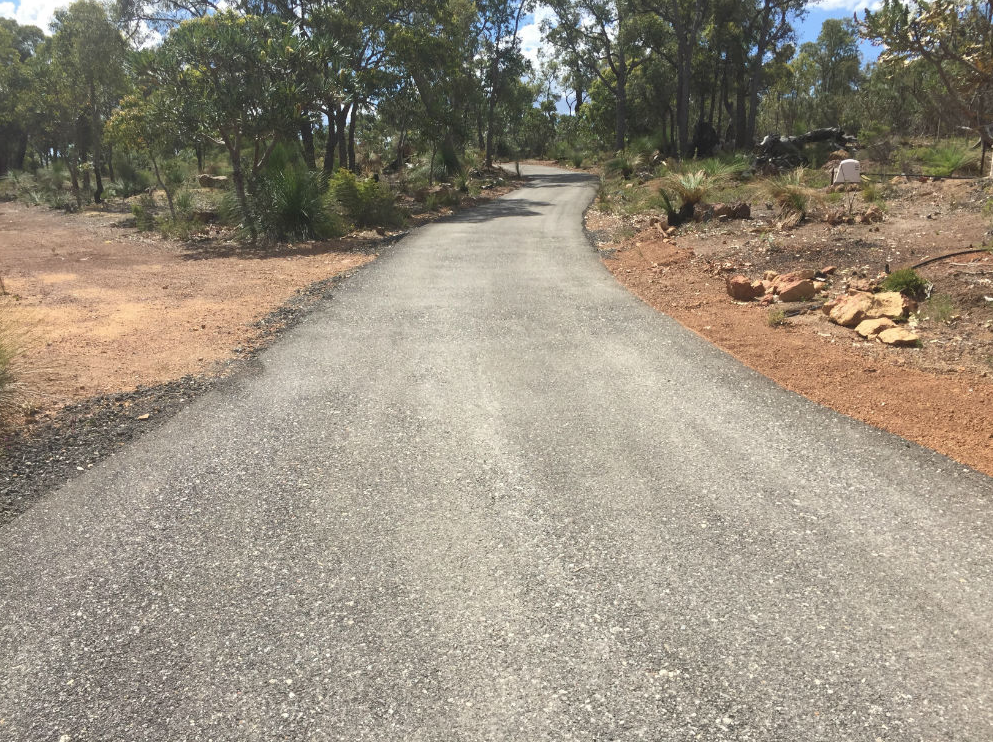
Bitumen surfaces are designed to provide durable, dependable access for driveways, roads, commercial areas and other frequently used surfaces. However, no pavement remains unchanged indefinitely. Traffic, weather exposure, water movement and general ageing gradually affect its condition, and knowing when to arrange maintenance can prevent relatively minor defects from developing into widespread deterioration.
For property owners and businesses in Tailem Bend, SA, paying attention to changes in a bitumen surface is an important part of protecting its long-term performance. Tailem Bend Road Tech SA provides professional bitumen and asphalt resurfacing services, helping identify deterioration and determine the most appropriate way to restore the surface.
Why Bitumen Surfaces Deteriorate
Bitumen provides a flexible, sealed surface, but it remains exposed to demanding conditions throughout its service life. Sunlight, temperature changes, rainfall and repeated vehicle movements gradually affect both the surface and the pavement structure underneath.
Deterioration does not always mean the entire pavement has failed. Often, there are warning signs that provide an opportunity to intervene before more substantial damage occurs.
Cracking Is an Early Warning Sign
Cracks are among the clearest indications that a bitumen surface needs attention. A small isolated crack may initially have limited impact, but leaving it open allows moisture to penetrate into the pavement.
You should pay particular attention to:
- Cracks that are becoming wider
- Groups of interconnected cracks
- Cracking along pavement edges
- Cracks repeatedly appearing after previous repairs
- Areas where the surface is beginning to separate
Once moisture reaches the supporting layers, deterioration can progress below the visible surface.
Watch for Loose or Displaced Aggregate
Spray seal bitumen relies on aggregate being securely embedded into the bitumen binder. Some change in surface appearance is expected with age, but noticeable aggregate loss can indicate that the seal is deteriorating.
Loose stone may become increasingly visible across areas exposed to frequent traffic. If the underlying binder is becoming exposed or the surface texture is changing considerably, an assessment can determine whether maintenance or resealing is appropriate.
Potholes Should Not Be Treated as an Isolated Problem
A pothole is usually evidence that deterioration has progressed beyond minor surface wear. It commonly develops after moisture penetrates the pavement and weakens the material underneath.
As vehicles travel over the weakened section, the surface begins to break apart.
Potholes should be investigated promptly because they can:
- Increase in size under continued traffic
- Allow additional water into the pavement
- Damage surrounding sections
- Create an increasingly uneven driving surface
If potholes repeatedly return in the same location, there may be an underlying drainage or base problem requiring attention.
Water Pooling Can Reveal Drainage Problems
After rainfall, observe how water behaves across the surface. Persistent puddles can reveal depressions, incorrect falls or changes in the pavement profile.
Effective drainage is important because standing water increases the opportunity for moisture to enter cracks and weakened areas.
Warning signs can include:
- Puddles remaining in the same locations
- Water collecting near pavement edges
- Depressions becoming more noticeable
- Runoff eroding adjacent areas
Correcting the cause of poor drainage can be just as important as repairing the visible surface.
Uneven Areas, Rutting and Depressions
A bitumen surface should remain reasonably consistent under normal use. Areas that begin sinking or forming wheel-path depressions may indicate movement within the pavement structure.
Possible causes include weakened base material, inadequate drainage, repeated heavy loading or deterioration beneath the seal.
Simply adding material over an unstable section may not resolve the problem. Identifying why the pavement is moving provides a better basis for deciding on the appropriate repair.
Edge Breakdown Should Be Addressed Early
Pavement edges can be particularly vulnerable because they do not always receive the same support as the central traffic area. Once an edge begins breaking away, the damaged section can gradually work further into the pavement.
Look for:
- Crumbling edges
- Cracks running close to the edge
- Sections breaking away under vehicle tyres
- Erosion beside the pavement
Keeping the edges properly supported and addressing early deterioration can help preserve the width and integrity of the surface.
A Faded Surface May Indicate Ageing
A change in colour alone does not necessarily mean immediate resurfacing is required. Bitumen naturally changes appearance as it ages and is exposed to sunlight.
However, significant fading combined with brittleness, aggregate loss or widespread cracking can indicate that the surface is becoming less effective at protecting the pavement underneath.
When Does Resurfacing Become Worth Considering?
Individual defects can often be repaired when most of the pavement remains structurally sound. Resurfacing becomes more relevant when deterioration is widespread rather than confined to one or two isolated areas.
Indicators may include:
- Numerous repairs across the same surface
- Extensive cracking
- General surface deterioration
- Widespread aggregate loss
- Multiple depressions or damaged sections
A professional assessment can distinguish between a surface that needs targeted maintenance and one that would benefit from more comprehensive resurfacing.
Why Early Assessment Matters
One of the most useful things a property owner can do is arrange an assessment before the pavement becomes severely deteriorated. Early intervention provides an opportunity to deal with cracks, drainage problems and isolated defects while the surrounding pavement remains serviceable.
At Tailem Bend Road Tech SA, we assess bitumen and asphalt surfaces in Tailem Bend, SA, with attention to both visible deterioration and the factors contributing to it. The aim is to identify what the pavement actually requires rather than recommending unnecessary work.
Conclusion
Knowing when a bitumen surface needs attention comes down to recognising changes before they develop into major failures. Widening cracks, loose aggregate, potholes, standing water, rutting, edge breakdown and widespread surface ageing are all signs worth investigating.
For property owners and businesses in Tailem Bend, SA, timely maintenance can help protect the pavement structure and maintain a safer, more dependable surface. Tailem Bend Road Tech SA provides professional asphalt and bitumen resurfacing services based on the condition and intended use of each site.
If your bitumen surface is beginning to show signs of deterioration, contact Tailem Bend Road Tech SA to arrange an assessment and determine the most appropriate approach for restoring its condition and long-term performance.
Call us on: 08 5122 4181
Click here to find out more about Tailem Bend Road Tech SA
Click here to complete our contact form and see how we can help with your Asphalt and Bitumen Surfacing needs.