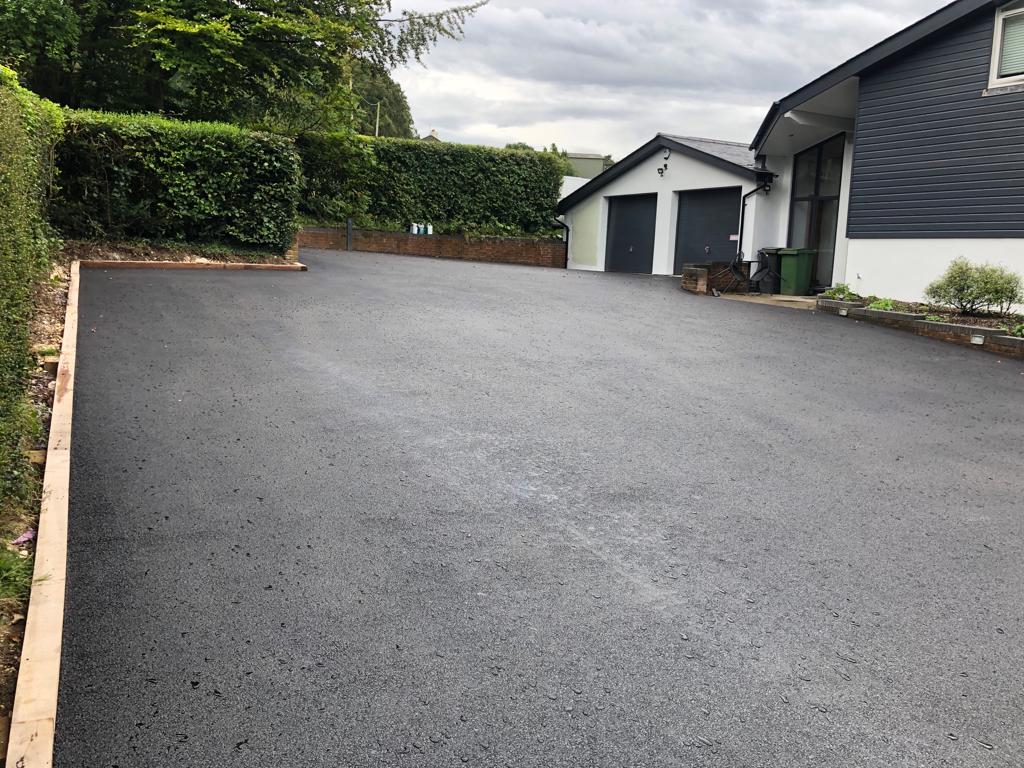
Road surfaces naturally deteriorate over time as a result of traffic, weather exposure, moisture and gradual wear. When cracks, potholes, surface erosion or uneven sections begin appearing, one of the most important decisions is whether the existing road can be restored through resealing or whether it requires more extensive reconstruction.
Although both methods aim to improve road performance, they address different levels of deterioration. A reseal renews the protective wearing surface of a structurally sound pavement, while a full rebuild involves reconstructing the road’s supporting layers where significant structural failure has occurred.
For property owners, businesses and site operators in Tailem Bend, SA, understanding these differences can help ensure that road repairs address the actual condition of the pavement rather than simply covering visible damage.
What Is Road Resealing?
Road resealing involves applying a new bituminous seal over an existing pavement that remains structurally suitable.
For roads with a sprayed bitumen seal, this commonly involves applying a controlled layer of bituminous binder followed by aggregate, which is embedded into the binder to create a renewed wearing surface.
The process helps restore surface protection, improve texture and reduce the opportunity for water to enter the pavement from above.
Resealing is generally considered when the existing road has begun showing signs of surface ageing but its supporting pavement layers remain stable.
It is important to understand that resealing is primarily a surface preservation treatment. It does not significantly increase the structural strength of a road or correct substantial failures beneath the surface.
What Problems Can Road Resealing Address?
A properly planned reseal can be effective for roads experiencing certain types of surface deterioration.
These may include:
- Ageing or weathered bitumen
- Loss of surface texture
- Minor surface fretting
- General deterioration of an existing sprayed seal
- Reduced surface protection
- Early signs of wear without significant structural damage
Before resealing, any defects that could affect the performance of the new treatment should be assessed and repaired.
A road with a stable foundation and relatively limited surface deterioration is generally a better candidate for resealing than one experiencing widespread movement or repeated structural failures.
How Does Resealing Help Preserve a Road?
The main purpose of resealing is to protect the existing pavement while it remains in serviceable condition.
As bituminous surfaces age, the binder can become less effective at retaining aggregate and protecting the pavement beneath it. Small openings may develop, increasing the potential for moisture penetration.
A new sprayed seal renews the protective wearing layer and helps limit water entering the pavement through the surface.
Resealing can also restore a more consistent surface texture, provided the treatment is appropriately designed and applied.
However, these benefits depend on the existing road being suitable for the treatment. If the underlying pavement is already unstable, resealing alone will not resolve the problem.
What Is a Full Road Rebuild?
A full road rebuild, also known as road reconstruction, involves removing or reworking failed pavement layers and rebuilding the road to establish a stable structure.
Unlike resealing, reconstruction addresses deterioration that extends beyond the wearing surface.
Depending on the condition of the road, reconstruction may involve:
- Removing damaged asphalt or bituminous surfacing
- Excavating failed pavement materials
- Correcting unsuitable or unstable supporting layers
- Rebuilding the pavement base
- Restoring appropriate road levels
- Improving drainage where necessary
- Compacting the reconstructed pavement
- Installing a new asphalt or bitumen surface
The extent of reconstruction depends on the depth and distribution of the damage.
In some cases, only particular sections require rebuilding. Where structural deterioration is widespread, more extensive reconstruction may be necessary.
When Does a Road Need Rebuilding?
Reconstruction is generally considered when the pavement can no longer adequately support the traffic using it.
Signs that deeper structural problems may be present include:
- Extensive interconnected cracking
- Deep wheel-track rutting
- Repeated potholes in the same locations
- Significant settlement
- Widespread pavement deformation
- Persistent soft or unstable sections
- Severe erosion or washouts
- Previous surface repairs that continue to fail
These defects can indicate that the supporting pavement has lost strength or that drainage and traffic stresses are contributing to ongoing deterioration.
A new surface treatment cannot compensate for a failed foundation. Where substantial structural damage exists, rebuilding the affected pavement is often the more appropriate approach.
The Main Difference Is the Condition Beneath the Surface
The most important distinction between resealing and reconstruction is the condition of the underlying pavement.
A road consists of more than the visible asphalt or bitumen layer. Its performance depends on the supporting materials beneath it, which distribute vehicle loads and help maintain a stable trafficable surface.
If those materials remain sound, renewing the surface may be sufficient.
If the supporting layers have weakened, shifted or deteriorated extensively, the road may continue failing regardless of how recently it was resealed.
This is why professional assessment should consider the entire pavement structure rather than relying only on the appearance of the surface.
Can a Road Be Resealed If It Has Potholes?
The presence of potholes does not automatically rule out resealing, but the potholes must be properly assessed and repaired first.
An isolated pothole may be caused by a localised defect that can be corrected without reconstructing the surrounding road.
However, repeated or widespread potholes may indicate that water penetration, inadequate pavement support or other structural problems are affecting larger areas.
Applying a new seal over unresolved pothole damage will not provide a reliable result.
Where necessary, failed material should be removed, the supporting pavement restored and the affected surface properly prepared before resealing is considered.
Why Drainage Matters for Both Treatments
Water is a major contributor to road deterioration, particularly when it enters and weakens the supporting pavement layers.
Poor drainage can cause rainfall to collect in depressions, travel along wheel tracks or saturate vulnerable road edges.
For a road being resealed, the existing surface profile and drainage conditions should be suitable before the new treatment is applied.
During reconstruction, there may be an opportunity to correct road levels, improve surface falls and address drainage weaknesses that contributed to the original failure.
For roads in Tailem Bend, SA, understanding how water moves across and around the pavement is an important part of selecting an appropriate repair method.
Without adequate drainage, even a newly restored road may remain vulnerable to premature deterioration.
Can Resurfacing Be an Alternative to Resealing or Reconstruction?
Yes. In some circumstances, asphalt resurfacing may provide a suitable alternative.
Resurfacing generally involves renewing the asphalt wearing layer, often after removing or preparing deteriorated surface material.
It can be appropriate where the existing pavement remains structurally serviceable but the asphalt surface has deteriorated beyond what minor repairs can adequately address.
However, resurfacing is not the same as reconstructing the road.
If the pavement underneath has significant structural defects, those problems should be corrected before a new asphalt layer is installed.
The choice between resealing, resurfacing and reconstruction depends on the existing pavement type, the condition of its supporting layers and the extent of deterioration.
Why a Full Rebuild Is Not Always Necessary
A badly weathered road can sometimes look more deteriorated than its underlying condition suggests.
Surface fretting, fading, minor cracking and general ageing do not automatically mean the supporting pavement has failed.
Where the base remains stable, appropriate repairs followed by resealing may restore the surface without disturbing serviceable pavement layers.
Similarly, localised structural failures can sometimes be reconstructed individually while the remainder of the road is retained.
The objective should be to identify which parts of the pavement are still performing effectively and which require attention.
This helps ensure the repair method is proportionate to the actual deterioration.
Why Resealing Should Not Be Delayed Too Long
Resealing is most effective when undertaken before significant structural deterioration develops.
As a sprayed seal ages, surface defects can allow water to enter the pavement. Continued traffic and moisture exposure may then contribute to cracking, potholes and weakening of the supporting materials.
Once deterioration progresses into the pavement base, renewing the surface alone may no longer be sufficient.
Regular inspections can help identify when an existing road is approaching the stage where resealing should be considered.
Acting while the underlying pavement remains stable can help preserve the road and reduce the likelihood of more extensive damage developing.
How Professional Road Assessment Determines the Right Solution
Choosing the correct treatment requires more than deciding whether a road looks worn or damaged.
An experienced asphalt and bitumen contractor will consider several factors, including:
- The type and condition of the existing road surface
- The extent and pattern of cracking
- The presence of potholes, rutting or settlement
- The stability of the underlying pavement
- Drainage and water movement
- Traffic frequency and vehicle types
- Previous repairs and recurring defects
These observations help determine whether the road is suitable for resealing, requires resurfacing or needs structural reconstruction.
For roads in Tailem Bend, SA, this approach is particularly valuable because it allows the proposed work to address the actual cause of deterioration rather than applying the same treatment to every damaged surface.
What Happens Before a Road Is Resealed or Rebuilt?
Preparation plays an important role in both methods, although the work involved differs considerably.
Preparing a Road for Resealing
Before resealing, the existing pavement should be inspected and suitable repairs completed.
This may include addressing potholes, correcting localised failures, preparing the existing surface and ensuring that drainage conditions are appropriate.
The new seal must also be selected and applied according to the condition and intended use of the road.
Preparing a Road for Reconstruction
Reconstruction requires more extensive pavement preparation.
Failed materials may need to be removed, unsuitable supporting layers corrected and the road rebuilt to an appropriate profile.
Grading and compaction are essential parts of establishing a stable foundation before the new asphalt or bitumen surface is installed.
The quality of this preparation has a direct influence on how the reconstructed road performs under future traffic.
Conclusion
The difference between a road reseal and a full rebuild comes down to the condition of the pavement beneath the visible surface.
Resealing is designed to renew and protect an existing road that remains structurally sound. It can help preserve the pavement, restore surface texture and reduce moisture penetration when undertaken at the appropriate stage.
A full rebuild becomes necessary when deterioration extends into the supporting pavement layers and surface treatments can no longer provide a dependable solution.
Not every worn road needs reconstruction, and not every damaged road is suitable for resealing. A professional assessment helps establish the most appropriate treatment based on the extent of deterioration, drainage conditions and intended road use.
Tailem Bend Road Tech SA provides professional asphalt and bitumen resurfacing, road repairs and pavement preparation services in Tailem Bend, SA. If your road is showing signs of wear or structural damage, contact our team to arrange an assessment and discuss whether resealing, resurfacing or reconstruction is the most suitable approach.
Call us on: 08 5122 4181
Click here to find out more about Tailem Bend Road Tech SA
Click here to complete our contact form and see how we can help with your Asphalt and Bitumen Surfacing needs.